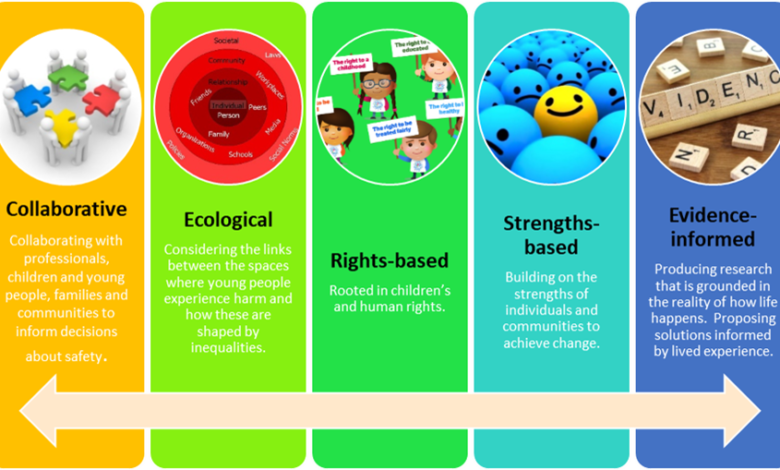
The contextual safeguarding meaning is a modern approach to child protection that focuses on the environments where young people experience harm outside their home. It recognises that risks are not only linked to family life but also to schools, peer groups, public spaces, and online platforms. This approach has become increasingly important in the UK due to rising concerns about extra-familial harm.


Understanding the contextual safeguarding meaning helps professionals and communities see that safeguarding is not just about protecting individual children but also about improving the safety of the spaces they spend time in. This broader perspective allows authorities, schools, and organisations to work together to reduce risks and create safer environments for young people.
Contextual safeguarding meaning definition
The contextual safeguarding meaning refers to a safeguarding framework that addresses harm occurring outside the home. It focuses on extra-familial contexts such as schools, neighbourhoods, peer groups, and digital environments where children may be exposed to exploitation, abuse, or unsafe influences. This definition highlights that safety must extend beyond family settings.
In practical terms, the contextual safeguarding meaning shifts attention from solely supporting the child to also changing the environment where harm takes place. Instead of asking why a child is at risk, professionals ask what is happening in that setting. This helps create targeted interventions that reduce danger and improve overall community safety for children and young people.
Importance of contextual safeguarding meaning in modern society
The contextual safeguarding meaning is essential in today’s society because children face a wide range of external risks. These include online grooming, gang exploitation, peer pressure, and bullying in schools or communities. Traditional safeguarding approaches often overlook these environments, making it necessary to adopt a broader, more inclusive protection strategy.
Another important aspect of the contextual safeguarding meaning is that young people spend increasing amounts of time outside their homes. Schools, social spaces, and digital platforms significantly influence behaviour and vulnerability. By focusing on these environments, safeguarding professionals can intervene earlier and more effectively, reducing the likelihood of harm before it escalates.
Contextual safeguarding meaning in schools
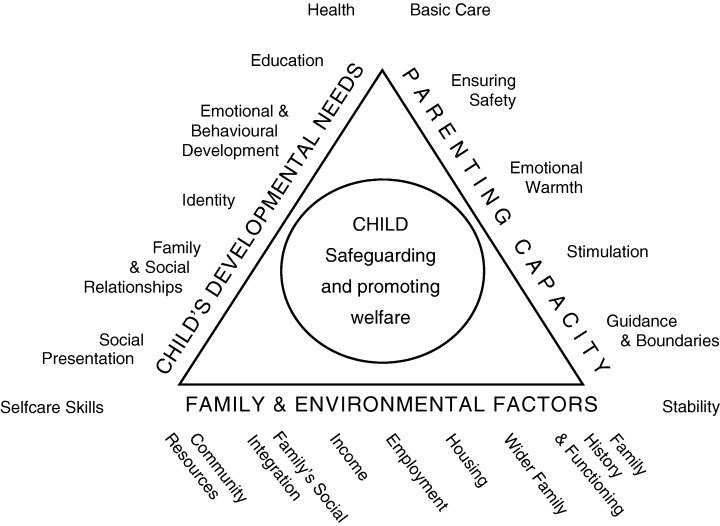
The contextual safeguarding meaning in schools focuses on identifying and addressing risks that occur within educational environments. Schools are central to children’s lives, and they can sometimes become places where peer-on-peer abuse, bullying, or exploitation develops. This makes it essential for staff to understand and apply safeguarding principles beyond traditional classroom boundaries.
In practice, the contextual safeguarding meaning in schools involves monitoring student interactions, identifying unsafe peer groups, and responding to harmful behaviour patterns. Teachers, safeguarding leads, and external agencies work together to ensure that school environments remain safe. This includes addressing risks in corridors, playgrounds, and online school-related interactions to protect students effectively.
Key principles behind contextual safeguarding meaning
The contextual safeguarding meaning is built on several key principles that guide effective child protection strategies. One major principle is recognising that harm often occurs outside the home and must be addressed in those specific environments. This shifts safeguarding responsibility beyond families and places greater focus on schools, communities, and social systems.
Another important principle of the contextual safeguarding meaning is collaboration. Multiple agencies such as schools, social services, and law enforcement must work together to identify risks and implement solutions. This approach ensures that safeguarding is not isolated but coordinated, allowing professionals to address environmental risks more effectively and consistently.
Types of harm addressed by contextual safeguarding meaning
The contextual safeguarding meaning covers a wide range of extra-familial harms that children may experience. These include criminal exploitation, such as gang involvement or county lines activity, where young people are drawn into illegal networks. These environments can significantly increase vulnerability and require targeted intervention strategies.
It also includes peer-on-peer abuse, such as bullying, harassment, or violence within schools and communities. Online harm is another major concern, including grooming, cyberbullying, and exposure to harmful content. The contextual safeguarding meaning ensures that all these risks are addressed within the environments where they occur rather than focusing only on individual behaviour.
How contextual safeguarding meaning works in practice
The contextual safeguarding meaning is applied in practice by assessing the specific locations and environments where harm takes place. Professionals often map out areas of concern, such as schools, neighbourhoods, or online spaces, to identify patterns of risk. This helps them understand how and why harm is occurring in particular contexts.
Once risks are identified, agencies work together to implement changes within those environments. The contextual safeguarding meaning involves collaboration between schools, youth services, and local authorities to improve safety. This may include policy changes, community interventions, or increased monitoring of high-risk areas to ensure children are better protected.
Conclusion
The contextual safeguarding meaning represents a significant shift in how child protection is understood and implemented in the UK. Instead of focusing only on the individual, it emphasises the importance of addressing the environments where harm occurs. This ensures a more complete and effective safeguarding approach.
By applying the contextual safeguarding meaning, schools, communities, and safeguarding professionals can work together to create safer spaces for children. This approach not only reduces risks but also promotes long-term wellbeing by addressing the root causes of harm in everyday environments.