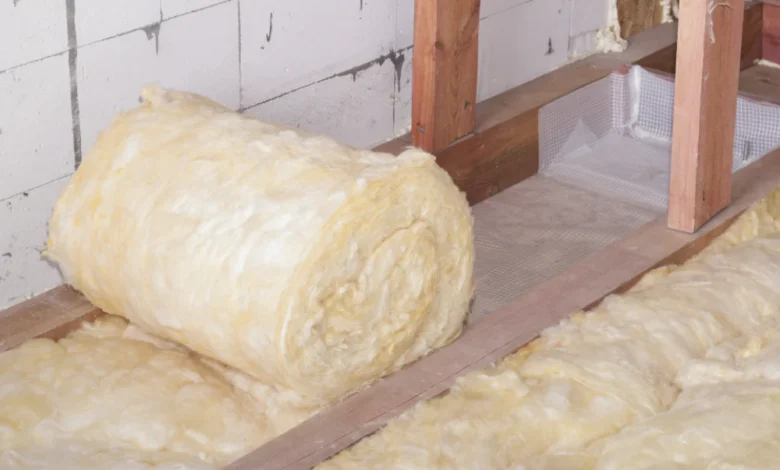
If you are asking how thick should loft insulation be, the answer depends on the type of insulation material installed in your property. However, for most UK homes using mineral wool insulation, the recommended thickness is 270mm. This depth helps reduce heat loss through the roof, improves energy efficiency, and ensures your property remains comfortable throughout the year. Modern insulation standards have evolved significantly, making proper loft insulation more important than ever.


Many homeowners underestimate the amount of heat that escapes through an inadequately insulated loft. In some cases, up to 25% of a home’s heat can be lost through the roof. This means your heating system has to work harder, increasing energy bills and reducing overall comfort. Understanding how thick should loft insulation be can help you make informed decisions that lead to long-term savings and a more energy-efficient home.
Why Loft Insulation Thickness Matters
The thickness of loft insulation plays a vital role in determining its effectiveness. Insulation works by trapping pockets of air within the material, creating a barrier that slows the movement of heat. When the insulation layer is too thin, heat escapes more easily, making your home less efficient and more expensive to heat during colder months.
A properly insulated loft helps maintain a stable indoor temperature throughout the year. During winter, it keeps warmth inside the home, while in summer, it can reduce the amount of heat entering from the roof space. Investing in the correct insulation depth provides benefits that extend beyond energy savings, including improved comfort and a reduced environmental impact.
Recommended Loft Insulation Thickness in the UK
Homeowners frequently search for how thick should loft insulation be UK because they want to ensure their property meets modern standards. Current recommendations suggest a total depth of 270mm for mineral wool insulation. This level is considered optimal for balancing thermal performance with cost-effectiveness and is widely recognised throughout the UK.
If your loft already contains some insulation, you may only need to add an extra layer to reach the recommended depth. For example, many older properties have around 100mm of insulation installed. Topping this up with an additional 170mm can significantly improve thermal efficiency and reduce annual heating costs without requiring a complete replacement.
Loft Insulation Thickness by Material
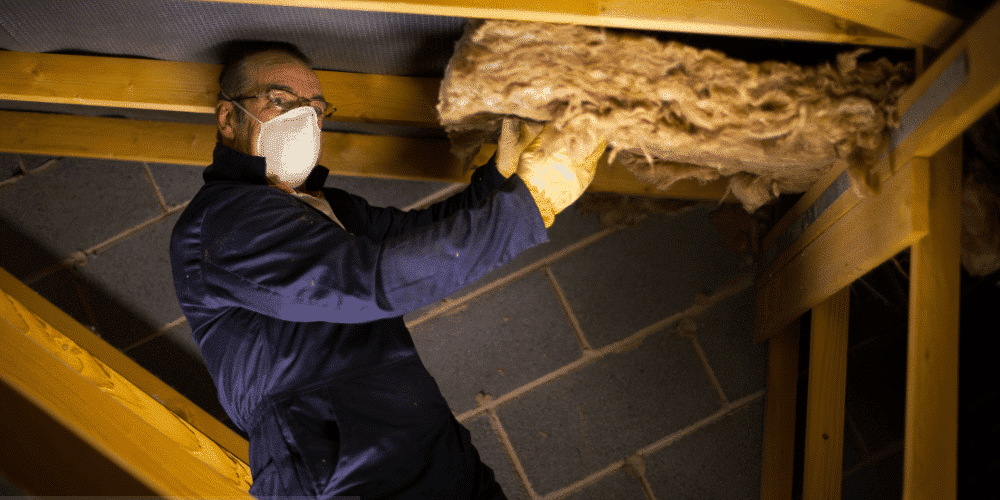
Different insulation materials achieve the same thermal performance using different thicknesses. Mineral wool and glass wool generally require a depth of around 270mm to provide effective insulation. These materials remain popular because they are affordable, easy to install, and widely available throughout the UK.
Rigid PIR insulation boards offer higher thermal resistance than traditional mineral wool. As a result, a thickness of approximately 150mm to 180mm can often deliver similar performance. Homeowners considering alternative insulation materials should carefully compare thermal values rather than focusing solely on physical thickness when deciding how thick should loft insulation be.
Building Regulations and Loft Insulation
Building regulations in the UK are designed to improve energy efficiency and reduce carbon emissions from residential properties. These regulations influence the recommended insulation levels for both new-build homes and renovation projects. Following current guidance helps ensure your property meets modern efficiency expectations and can contribute to a better Energy Performance Certificate rating.
While building regulations may not always require homeowners to upgrade existing insulation immediately, improving loft insulation is one of the most cost-effective home improvements available. It can increase property value, reduce heating expenses, and make your home more attractive to future buyers who prioritise energy efficiency.
Measuring Existing Loft Insulation
Before adding more insulation, it is important to measure the existing depth accurately. A simple tape measure can help determine whether your current insulation meets modern recommendations. Measurements should be taken in several locations across the loft to account for uneven coverage or areas where insulation may have settled over time.
Many UK homes built decades ago still contain insulation levels well below current standards. If your loft insulation measures only 50mm or 100mm, adding extra material can produce noticeable improvements in comfort and efficiency. Accurate measurements ensure you purchase the correct amount of insulation and avoid unnecessary expenses.
Loft Boarding and Storage Considerations
Many homeowners use their lofts for storing seasonal items, decorations, and household belongings. However, placing loft boards directly on top of insulation can compress the material and reduce its effectiveness. Compressed insulation contains fewer air pockets, meaning it cannot trap heat as efficiently as intended.
A raised loft boarding system offers a practical solution by creating storage space above the insulation layer. This allows the insulation to remain at its full recommended depth while still providing a stable surface for storage. Proper planning ensures you can maximise both energy efficiency and usable loft space without compromising performance.
Loft Insulation for Older Homes
Older properties often present unique challenges when upgrading insulation. Victorian, Edwardian, and early twentieth-century homes may have different construction methods, ventilation systems, and roof structures that require careful consideration before installation work begins.
When homeowners ask how thick should loft insulation be in the UK for older properties, the recommended target generally remains 270mm. However, it is important to ensure adequate ventilation and address any existing damp issues before increasing insulation levels. A balanced approach helps maintain the health of the building while improving thermal performance.
Common Loft Insulation Mistakes
One of the most common mistakes homeowners make is assuming that any amount of insulation is sufficient. Insulation that falls well below the recommended depth may provide some benefits, but it will not deliver the full energy-saving potential available from modern standards. Regular inspections can help identify areas that require improvement.
Another frequent issue is blocking ventilation pathways or compressing insulation with storage boards. Poor installation practices can lead to condensation problems, dampness, and reduced insulation effectiveness. Taking the time to install insulation correctly ensures you receive the maximum return on your investment while protecting your property.
Energy Savings and Long-Term Benefits
One of the main reasons people research how thick should loft insulation be is the potential for lower energy bills. Proper loft insulation reduces heat loss, allowing your heating system to operate more efficiently. Over time, the savings generated can offset the initial installation costs and continue delivering financial benefits for many years.
Beyond financial savings, effective loft insulation contributes to a more comfortable living environment. Rooms stay warmer during winter, temperature fluctuations are reduced, and the home becomes less dependent on constant heating. These improvements create a better quality of life while supporting wider environmental goals through reduced energy consumption.
Conclusion
Understanding how thick should loft insulation be is essential for anyone looking to improve energy efficiency, lower heating costs, and create a more comfortable home. For most UK properties, a loft insulation depth of 270mm remains the recommended standard for mineral wool insulation. This level provides excellent thermal performance and aligns with modern energy-efficiency expectations.
Whether you own a modern property or a period home, investing in the correct insulation thickness can deliver long-lasting benefits. By following current recommendations, choosing suitable materials, and ensuring proper installation, homeowners can enjoy lower energy bills, improved comfort, and a more sustainable property for years to come.