Sayyed Bozorg Mahmoody: Biography, Life Story and Controversy Explained in Detail

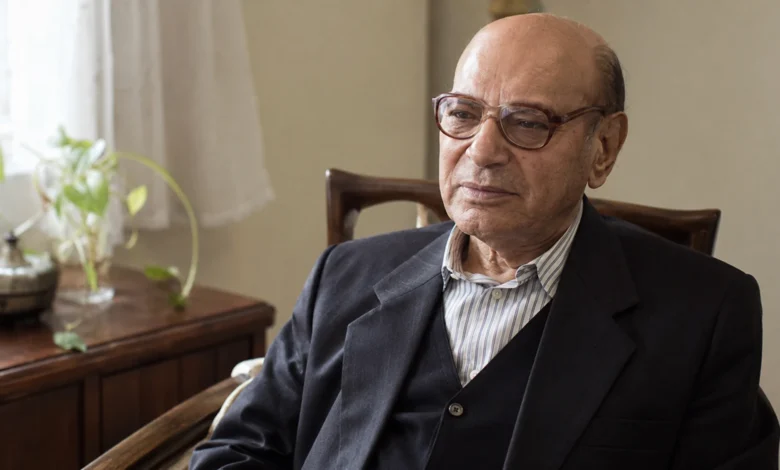
Sayyed Bozorg Mahmoody is a name that continues to attract global attention due to the complexity of his life story and the controversy surrounding his family. His biography has been widely discussed in books, films, and online debates, making him one of the most searched figures connected to cross-cultural family narratives and disputed personal histories.


The life of sayyed bozorg mahmoody has been interpreted in many different ways, depending on the source of information. While some portray him as a professional doctor with an international career, others focus on the controversy linked to his family story, creating a long-lasting public debate that still generates curiosity today.
Early Life
Sayyed Bozorg Mahmoody was born in Iran in 1939 and spent his early years in a culturally traditional environment that placed strong emphasis on education and discipline. His upbringing played an important role in shaping his academic interests and his later decision to pursue a professional career abroad, especially in medicine and science.
During his younger years, sayyed bozorg mahmoody developed a strong academic identity that eventually led him toward higher education opportunities outside Iran. His early life experiences influenced his worldview and helped him build a foundation for his future international medical career and personal journey across different countries.
Education and Career
Sayyed Bozorg Mahmoody pursued advanced education in medicine, eventually specialising in anaesthesiology and gaining professional training in both the United Kingdom and the United States. His career path reflects a strong commitment to medical science, and he was known as a trained doctor with international experience in clinical practice.
The professional life of sayyed bozorg mahmoody also included academic interests and exposure to different healthcare systems, which helped him build a diverse career profile. Before becoming a controversial public figure, he was primarily recognised for his medical qualifications and cross-border professional experience.
Marriage and Family
Sayyed Bozorg Mahmoody married Betty Mahmoody in the late 1970s, and their relationship became central to his public identity. Together they had a daughter named Mahtob, and their early family life was shaped by cultural differences, international relocation, and the challenges of balancing two very different worldviews.
The family life of sayyed bozorg mahmoody later became the subject of international attention due to conflicting accounts of their experiences. What was once a private relationship gradually turned into a widely discussed public narrative, especially after the publication of books and media adaptations that focused heavily on their personal story.
Controversy and Media Portrayal
Sayyed Bozorg Mahmoody became globally known due to the controversial story presented in Not Without My Daughter, which brought intense media attention to his personal life. The narrative sparked widespread debate, with different sides offering conflicting interpretations of the same events, leading to long-term public discussion.
Over time, sayyed bozorg mahmoody was also featured in documentaries and alternative accounts that attempted to present different perspectives on the same family history. These contrasting portrayals contributed to ongoing controversy, making it difficult for audiences to separate media representation from verified personal history.
Later Life and Death
In his later years, Sayyed Bozorg Mahmoody lived a more private life away from international media attention, with limited public information available about his daily activities. Despite reduced visibility, interest in his life story continued through books, online searches, and cultural discussions that revisited his past.
Sayyed bozorg mahmoody passed away in 2009 in Tehran, marking the end of a life that had been widely discussed and debated across the world. His death revived public interest in his biography, especially among those seeking to understand the full context of his family story and legacy.
Legacy
The legacy of sayyed bozorg mahmoody remains deeply connected to discussions about media influence, cultural misunderstanding, and the complexity of personal narratives. His life story continues to be analysed from multiple perspectives, reflecting how public opinion can shift based on storytelling and interpretation.
Today, sayyed bozorg mahmoody is still widely searched online, demonstrating the lasting impact of his story on global audiences. His biography continues to be referenced in discussions about international relationships, legal disputes, and the way personal histories are represented in popular media.
Conclusion
Sayyed Bozorg Mahmoody remains a controversial and widely discussed figure whose life cannot be understood from a single perspective. His journey from a medical professional to a globally recognised name in cultural debate shows how personal stories can evolve into international narratives.
The story of sayyed bozorg mahmoody continues to generate interest because it combines biography, family history, and media interpretation. His life remains a subject of discussion, ensuring that his name continues to appear in cultural, academic, and online searches worldwide.