
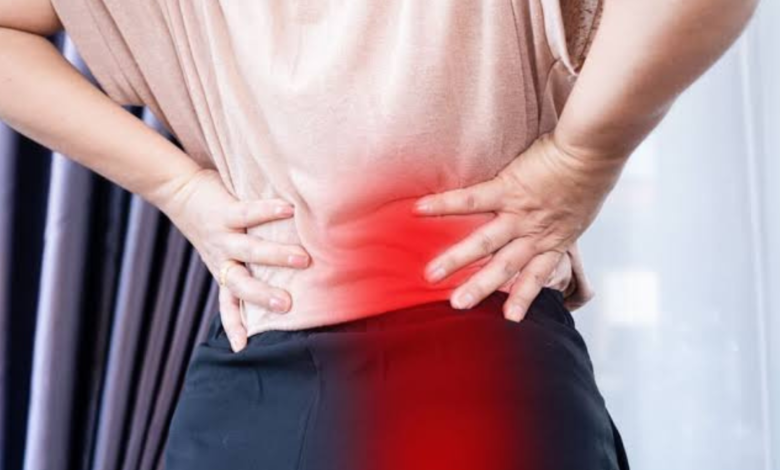
Understanding Right Lower Back Pain
Right lower back pain can occur for various reasons, and many cases are attributed to muscle strain or injuries. Activities such as lifting heavy objects or improper lifting techniques often lead to these strains. Symptoms can vary, including sharp or dull aches, and distinguishing the cause is crucial for effective treatment.

Common Causes of Right Lower Back Pain
Several factors contribute to right lower back pain. Common causes include:
- Muscle Strain: Overexertion during physical activities can lead to muscle strain symptoms, characterized by pain and stiffness.
- Injuries: Acute lower back injuries from falls or twists can result in significant discomfort.
- Posture Problems: Poor posture, especially during prolonged sitting, can cause pain in the lumbar spine.
- Arthritis: Conditions like arthritis of the spine can lead to chronic lower back pain.
- Kidney Issues: Kidney pain vs back pain can be a confusing distinction. Kidney stones or infections may present similar symptoms, requiring careful diagnosis.
- Pregnancy: Pregnancy-related back pain is common due to weight changes and hormonal shifts affecting body mechanics.
Diagnosing Right Lower Back Pain
Diagnosing right lower back pain involves a thorough examination by a healthcare professional. Diagnostic imaging for back pain, such as X-rays or MRIs, may be employed to identify underlying conditions. A medical history review and physical examination can help pinpoint the cause of discomfort, whether it be muscle-related or due to an organ issue.
Treatment Options for Right Lower Back Pain
Treatment options for right lower back pain depend on the underlying cause. Effective pain relief methods include:
- Physical Therapy: Engaging in physical therapy for back pain can help strengthen core muscles and improve flexibility.
- Medication: Nonsteroidal anti-inflammatory drugs (NSAIDs) may provide temporary relief from acute lower back pain.
- Exercise: Specific lower back pain exercises can enhance strength and alleviate discomfort.
- Rest: Allowing time for recovery can help if the pain is due to strain or injury.
When to Seek Medical Attention for Right Lower Back Pain
Consult a healthcare provider if right lower back pain persists beyond a few weeks or is accompanied by other concerning symptoms. Signs that warrant immediate attention include severe pain, loss of bladder or bowel control, or numbness in the legs. These symptoms may indicate serious underlying conditions requiring urgent medical intervention.
Frequently Asked Questions
What could be causing pain in the lower right side of my back?
Lower right back pain can result from muscle strain, injuries, kidney issues, or posture problems. A proper diagnosis is essential for effective treatment.
How can I tell if my back pain is kidney-related?
Distinguishing between kidney pain and back pain can be challenging. Kidney-related discomfort often presents with additional symptoms, such as urinary changes or flank pain.
How to fix lower back pain?
To address lower back pain, options include physical therapy, medication, and targeted exercises. Consultation with a healthcare provider is recommended to tailor treatments to your specific condition.
How do I know if my lower back pain is muscle or organ?
Consulting a healthcare professional for an accurate diagnosis is crucial. They can perform diagnostic imaging or examinations to determine the source of the pain.
What lifestyle changes can help alleviate right lower back pain?
Improving posture, engaging in regular exercise, and maintaining a healthy weight can help alleviate right lower back pain. Avoiding improper lifting techniques is also beneficial.
What exercises are best for right lower back pain?
Exercises that focus on strengthening the core and enhancing flexibility, such as gentle stretching, Pilates, and targeted lower back pain exercises, can be effective.
Understanding the causes and treatment options for right lower back pain is essential for effective management. Proper diagnosis and tailored treatment plans can lead to improved outcomes and a better quality of life.
You May Also Read: would you rather questions for adults
