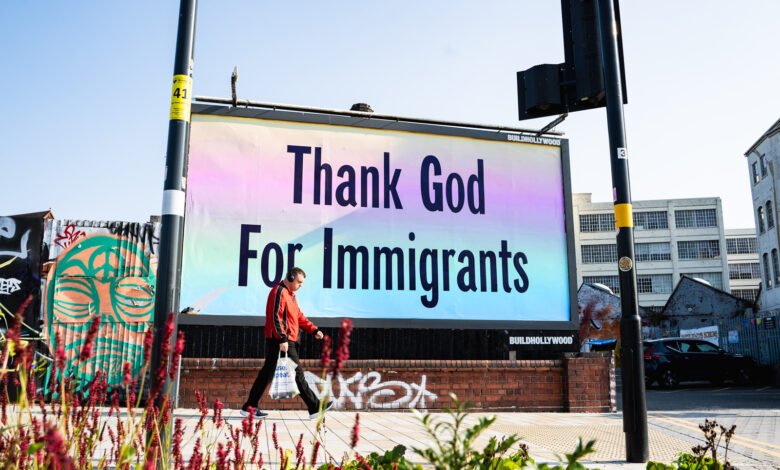
The phrase thank god for immigrants has become a powerful cultural expression in the United Kingdom, symbolising appreciation for the essential role of migration in shaping society. It appears in public discussions, art, and online conversations, reflecting how deeply immigration influences everyday life. From healthcare to education, the message behind thank god for immigrants highlights contribution, resilience, and diversity as core strengths of modern Britain.


In recent years, thank god for immigrants has evolved from a simple statement into a widely recognised cultural message. It is used in debates about identity, economy, and national values, often sparking reflection on how immigrant communities support essential services. The phrase resonates strongly in a multicultural society, where migration is not only historical but a continuing force shaping cities, communities, and cultural development across the UK.
Meaning and cultural significance of thank god for immigrants
The meaning of thank god for immigrants is rooted in gratitude for the social, economic, and cultural contributions of people who migrate to new countries. It is often used to challenge negative stereotypes and highlight the importance of inclusivity. The phrase has grown into a symbolic reminder that immigration plays a vital role in innovation, labour markets, and cultural exchange within modern societies.
Beyond its literal meaning, thank god for immigrants has become part of wider cultural storytelling in the UK. It is frequently used in media commentary and public discussions to reframe immigration as a positive force. The phrase encourages people to consider how immigrant communities contribute to daily life, from essential services to artistic creativity, reinforcing the idea that diversity strengthens national identity rather than weakening it.
Jeremy Deller and the thank god for immigrants poster movement
The visual popularity of thank god for immigrants has been significantly influenced by contemporary art and public installations. Artists like Jeremy Deller have helped bring the message into public spaces, using bold typography and direct messaging to engage audiences. These artworks are designed to be accessible, encouraging viewers to reflect on immigration in a public and democratic environment.
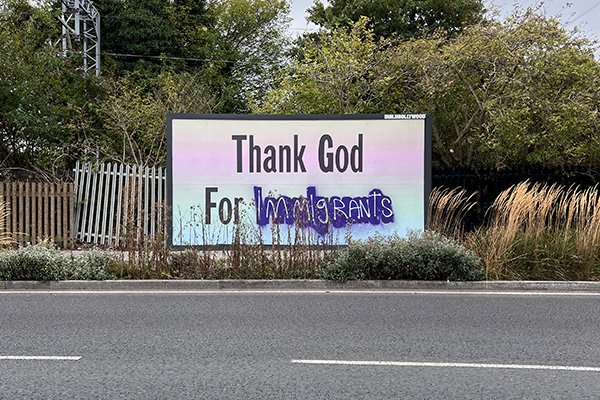
The impact of thank god for immigrants posters lies in their simplicity and visibility. Displayed on billboards and urban walls, they reach a wide audience outside traditional gallery spaces. This form of public art transforms everyday environments into platforms for discussion, where the message of immigration becomes part of the visual language of cities, encouraging debate, awareness, and emotional engagement with social issues.
Fashion and streetwear culture around thank god for immigrants
The influence of thank god for immigrants has extended into fashion, particularly within streetwear and independent clothing design. T-shirts featuring the slogan have become symbolic items, representing social awareness and cultural expression. Wearing thank god for immigrants is often seen as a statement of solidarity, reflecting personal values connected to diversity, inclusion, and recognition of immigrant contributions.
In contemporary fashion culture, thank god for immigrants has become more than a printed slogan. It represents a blend of activism and identity, where clothing becomes a medium for political and cultural expression. Designers and creatives use the phrase to communicate messages about equality and belonging, showing how fashion can play a role in shaping public opinion and encouraging conversations about migration and society.
Music, celebrities, and pop culture influence on thank god for immigrants
Pop culture has played a significant role in amplifying thank god for immigrants, particularly through music, public figures, and social media. Artists often engage with themes of migration, identity, and belonging, helping to normalise discussions around immigration. The phrase has appeared in cultural commentary linked to musicians and creative communities that support diversity and inclusion in modern society.
In the entertainment world, thank god for immigrants reflects a broader appreciation of global talent and cultural exchange. Many successful artists, including internationally recognised performers, have immigrant backgrounds or support migration narratives. This connection strengthens the message’s visibility, showing how creative industries rely on cross-cultural influence and how immigration contributes to artistic innovation and global cultural development.
Billboards, public discourse, and media visibility of thank god for immigrants
The appearance of thank god for immigrants on billboards and public installations has helped establish it as a recognised cultural message in the UK. These displays often appear in major cities, where they become part of everyday urban landscapes. By placing the message in public view, it encourages people to reflect on immigration in a visible and accessible way.
Media coverage and public debate around thank god for immigrants often highlight its role in shaping conversations about national identity and social cohesion. Some view it as a celebration of diversity, while others see it as politically charged messaging. Regardless of interpretation, the phrase continues to generate discussion, reinforcing its position as a significant cultural statement in contemporary British society.
Conclusion: The lasting relevance of thank god for immigrants
The continued relevance of thank god for immigrants reflects the ongoing importance of migration in shaping modern Britain. It serves as a reminder that immigrant communities contribute significantly to economic growth, cultural richness, and social development. The phrase has become part of a wider cultural narrative that recognises diversity as a foundational strength of the UK.
Ultimately, thank god for immigrants represents more than a slogan; it is a reflection of evolving attitudes toward identity and inclusion. Its presence in art, fashion, and public discourse ensures that conversations about immigration remain visible and meaningful. As society continues to change, the message behind thank god for immigrants remains a powerful expression of gratitude, recognition, and shared progress.